How to Create a Budget-Friendly Shou Sugi Ban Garden Bed for Your Outdoor Space
The History Behind the Art
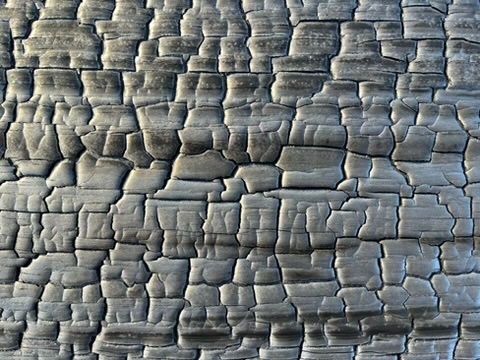
The ancient Japanese art of Shou Sugi Ban, also known as Yakisugi, is a fascinating wood preservation technique that not only enhances the durability of wood but also brings out its natural beauty in uniquely profound ways. This method, traditionally applied to Japanese cypress (Sugi), involves charring the wood surface, cooling it, cleaning it, and then finishing it with a coat of oil. Among the various options for sealing and protecting the charred wood, Tung oil emerges as a preferred choice for many. This oil not only seals the wood, protecting it from moisture and rot, but also accentuates the depth and richness of the wood's charred texture, making Shou Sugi Ban treated wood a compelling choice for both interior and exterior applications. Exploring the intricacies of this practice opens up a world where design, durability, and sustainability intersect in the most beautiful ways. So, let's delve into the art of Shou Sugi Ban and discover why it has become a popular design choice in recent years.
One of the most interesting aspects of Shou Sugi Ban is its history. This ancient Japanese technique dates back to the 18th century when it originated as a way to preserve wooden homes and temples from fire, insects, and rot. The process of charring the wood surface creates a layer of carbon which acts as a natural barrier, protecting the wood from these elements. Over time, the charred layer also darkens, creating a unique and beautiful aesthetic that is highly sought after in modern design.
Aside from its practical benefits, Shou Sugi Ban also has profound cultural significance in Japan. This method is deeply rooted in the Japanese concept of wabi-sabi, which celebrates imperfection and impermanence. The charred texture of Shou Sugi Ban wood represents both the destruction and transformation that occur through fire, creating a sense of depth and character in the wood that cannot be replicated by any artificial means.
In recent years, Shou Sugi Ban has gained popularity in modern architecture and design. Its striking appearance, coupled with its durability and sustainability, make it an ideal choice for both indoor and outdoor use. The process of charring the wood not only enhances its resistance to elements but also brings out the natural grain and texture of the wood in a way that is visually captivating.
Moreover, using Tung oil as a finish further highlights the unique texture and color of the charred wood, creating a stunning contrast with other materials. Tung oil is also known for its environmentally friendly properties, making it an ideal choice for those looking to incorporate sustainable design practices.
In conclusion, Shou Sugi Ban is not just a technique for preserving wood, but a practice that embodies history, culture, and innovation. It merges traditional methods with modern design, creating a timeless aesthetic that is both visually striking and environmentally conscious. As we continue to explore new ways to create sustainable and beautiful spaces, Shou Sugi Ban stands out as a testament to the enduring power of craftsmanship and creativity. So, whether you're looking for a unique way to enhance your home or seeking inspiration for your next design project, Shou Sugi Ban is definitely worth considering. So go ahead and experiment with this ancient technique, and see how it can transform your space into a work of art.
Shou Sugi Ban - How To.
Below is a detailed guide on initiating your journey with Sho Sugi Ban for Raised Garden Beds, with the flexibility to adapt to any project. You can follow these steps to create your own unique piece of functional art, and bring the beauty and durability of Shou Sugi Ban into your outdoor space.
---
Step 1: Choosing the Right Wood
The first step in creating a Shou Sugi Ban raised garden bed is selecting the right type of wood. Traditional Japanese cypress (Sugi) is the most commonly used wood for this technique, but you can also opt for other types of wood such as cedar or pine. The key is to choose a durable and rot-resistant wood that will withstand outdoor conditions.
Step 2: Preparing the Wood
Once you have your chosen wood, it's time to prepare it for charring. Start by sanding the surface of the wood to remove any rough spots or imperfections. This will ensure an even and smooth charred surface. Next, dampen the wood with a wet cloth to prevent it from catching fire during the charring process.
Step 3: Charring the Wood
The next step is to char the wood using a propane torch or open flame. Hold the torch about 2-3 inches away from the wood and move it back and forth continuously to create an even char. The longer you hold the flame, the deeper the char will be. Keep in mind that as the wood cools, it will also darken, so don't over-char.
Step 4: Cool and Clean the Wood
Once you have achieved your desired level of char, allow the wood to cool down completely. Once cooled, use a wire brush or sandpaper to remove any loose ash from the surface. This will also help in cleaning out any debris and create a smoother texture.
Step 5: Finishing with Tung Oil
To seal and protect the charred wood, apply a coat of Tung oil using a brush or cloth. This will not only enhance the charred texture but also protect the wood from moisture and rot. For best results, apply a second coat after allowing the first one to dry completely.
Step 6: Assembling Your Raised Garden Bed
Finally, assemble your raised garden bed using the charred wood pieces. You can use screws or nails to secure the pieces together, depending on your preference. And voila! You now have a beautiful and durable raised garden bed that will add a touch of elegance to your outdoor space.
---
By following these simple steps, you can create stunning and functional pieces using the ancient technique of Shou Sugi Ban. Whether it's for raised garden beds or other design projects, the possibilities are endless


Comments